Plastic Tubing
High-precision small-diameter plastic tubing is a tailored solution for precision fluid transfer, electronic protection, medical intervention, and industrial sensing applications. Leveraging advanced precision extrusion technology and closed-loop in-line control systems, we manufacture tubing with outer diameter tolerances as low as±0.05mm, smooth inner surfaces, and concentricity≥95%.
Our product material covers two main categories: General Plastics (PP、PE、PVC、TPUetc.), offering cost-effectiveness and balanced performance for conventional industrial and civil uses; and Engineering Plastics (POM、PBT、PA6、PA66、PA12, etc.), delivering superior heat resistance, chemical resistance, mechanical strength, and dimensional stability for demanding sectors such as automotive, electronics, aerospace, medical devices, and high-temperature/high-pressure environments. Both categories support flexible customization of inner diameters and outer diameters, with options for multi-layer co-extrusion, functional modifications, or reinforced structures. Throughout production, laser micrometers and vision inspection systems guarantee 100% full inspection, while full traceability ensures process consistency, empowering customers with high-quality, reliable system integration.
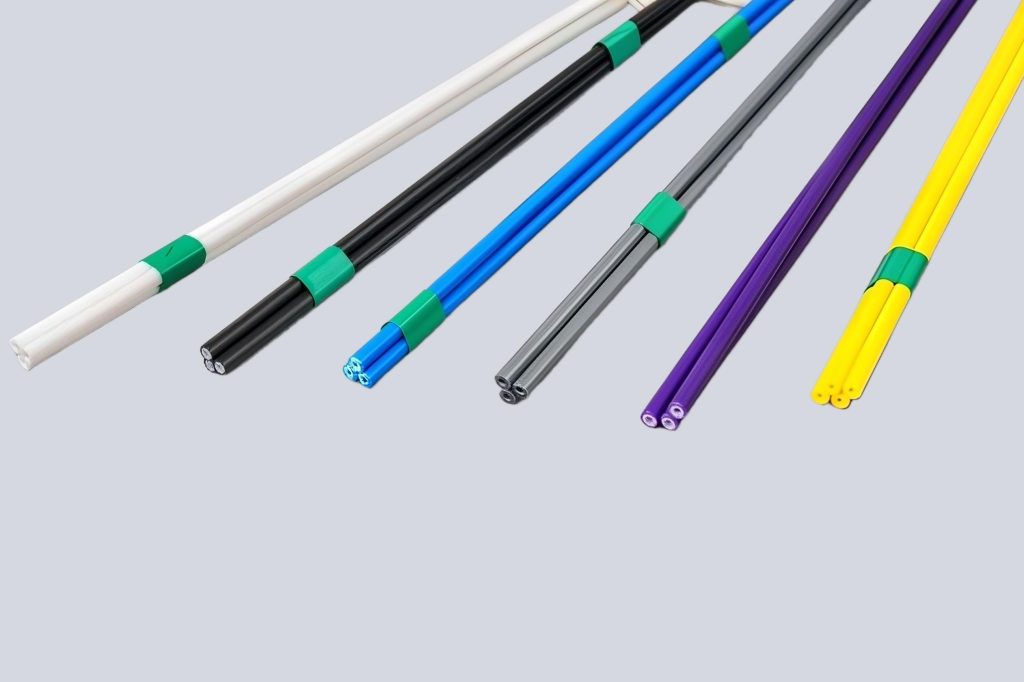
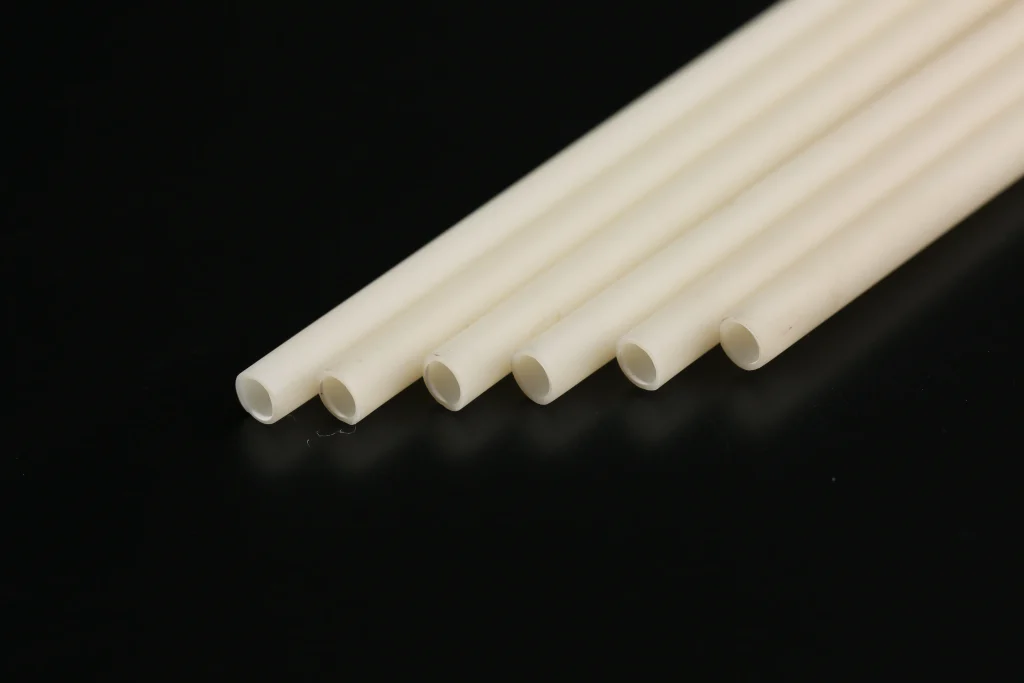
High Precision Small Diameter Plastic Hose Technical Parameter
| Material | OD(mm) | ID(mm) | Min.Thickness | Tolerance of Thickness(mm) | Tolerance of ID and OD(mm) |
| PE | 1.8-12 | 1.5-11 | ≥0.12 | ≤0.10 | ≥±0.05 |
| POM | 2.0-12 | 1.7-11 | ≥0.15 | ≤0.10 | ≥±0.05 |
| PP | 2.0-12 | 1.7-11 | ≥0.15 | ≤0.10 | ≥±0.05 |
| PBT | 2.0-12 | 1.7-11 | ≥0.15 | ≤0.10 | ≥±0.05 |
| PA6 | 2.0-12 | 1.7-11 | ≥0.15 | ≤0.1 | ≥±0.05 |
| PA66 | 2.5-12 | 2.2-11 | ≥0.35 | ≤0.10 | ≥±0.05 |
| PA12 | 2.0-12 | 1.7-11 | ≥0.35 | ≤0.10 | ≥±0.05 |
| TPU | 2.5-12 | 2.1-11 | ≥0.5 | ≤0.20 | ≥±0.075 |
| PTFE | 1.8-12 | 1.5-11 | ≥0.12 | ≤0.10 | ≥±0.05 |
| Multilayer Plastic Hose | 3.0-12 | 2.0-11 | ≥0.3 | ≤0.10 | ≥±0.075 |
Production requirements
|
Name |
Model |
Remarks |
|
Core mold (mandrel) |
6.8 |
Each use: confirm core mold is intact, no nicks, deformation; clean scale, etc |
|
Die (outer) |
8.2 |
Each use: confirm die is intact, no scratches, nicks; clean scale, etc |
|
Sizing sleeve |
3.5 |
Each use: confirm sizing sleeve is intact, no scratches, nicks; clean scale, etc. |
- 1.Based on product information, collect raw material of corresponding grade/type.
- 2.Confirm all gauges are qualified.
- 3.Check whether the operation record has the inspector’s approval stamp.
- 1.Before using material, open the bag and confirm no abnormal impurities, etc.
- 2.Before starting, perform the prescribed check of extrusion molding equipment. If any abnormality is found, do not start the machine; notify the equipment administrator.
- 3.After start-up, melt is high temperature – beware of burns; traction is dangerous – beware of hand pinching.
- 4.Use material bins to collect extruded products. Label each bin to prevent mixing.
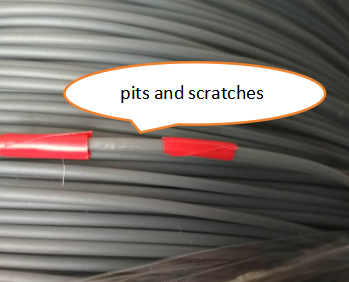
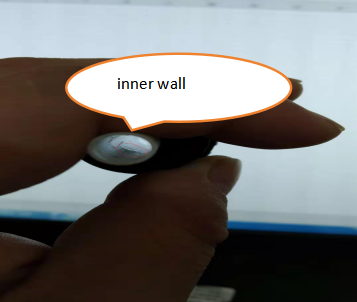
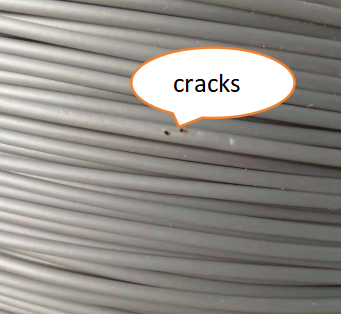
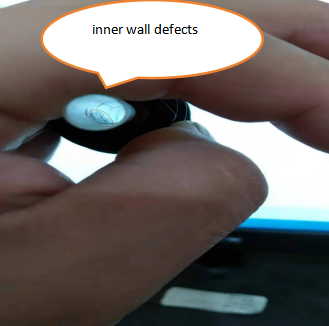
- 5.Appearance: surface smooth, no scratches, breaks, or other defects; inner wall free of bumps, pits, or cracks.
- 6.The inner liner tube must be free of water.
- 7.Packaging: wind onto cardboard spools (size 630×400×170 mm) at 1500–2000 m/spool. Maximum 2 splices allowed, but each short length must be >500 m. Arrange neatly. Splices are butt-joined and wrapped with paper tape; the end tail is spiral-wrapped with paper tape.